$1.79T Franklin Templeton Asks SEC About Tokenized Fund Pools
Key Points
- Franklin Templeton, with $1.79 trillion in preliminary assets, met SEC Crypto Task Force staff on Oct. 9 about trading tokenized funds through pools.
- Its agenda asked whether Rule 22c-1 and Section 22(d) of the 1940 Act need exemptions when liquidity providers charge fees.
- The SEC’s Sept. 17 innovation exemption limits tokenized stock pools to approved participants, so a $1,000 wallet cannot supply liquidity to these pairs yet.
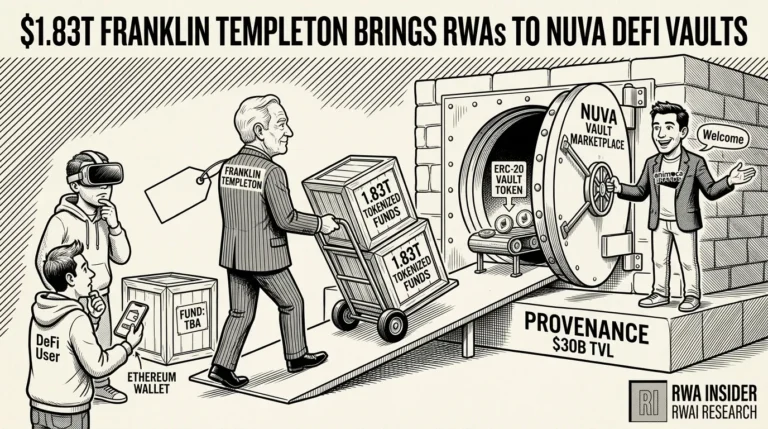
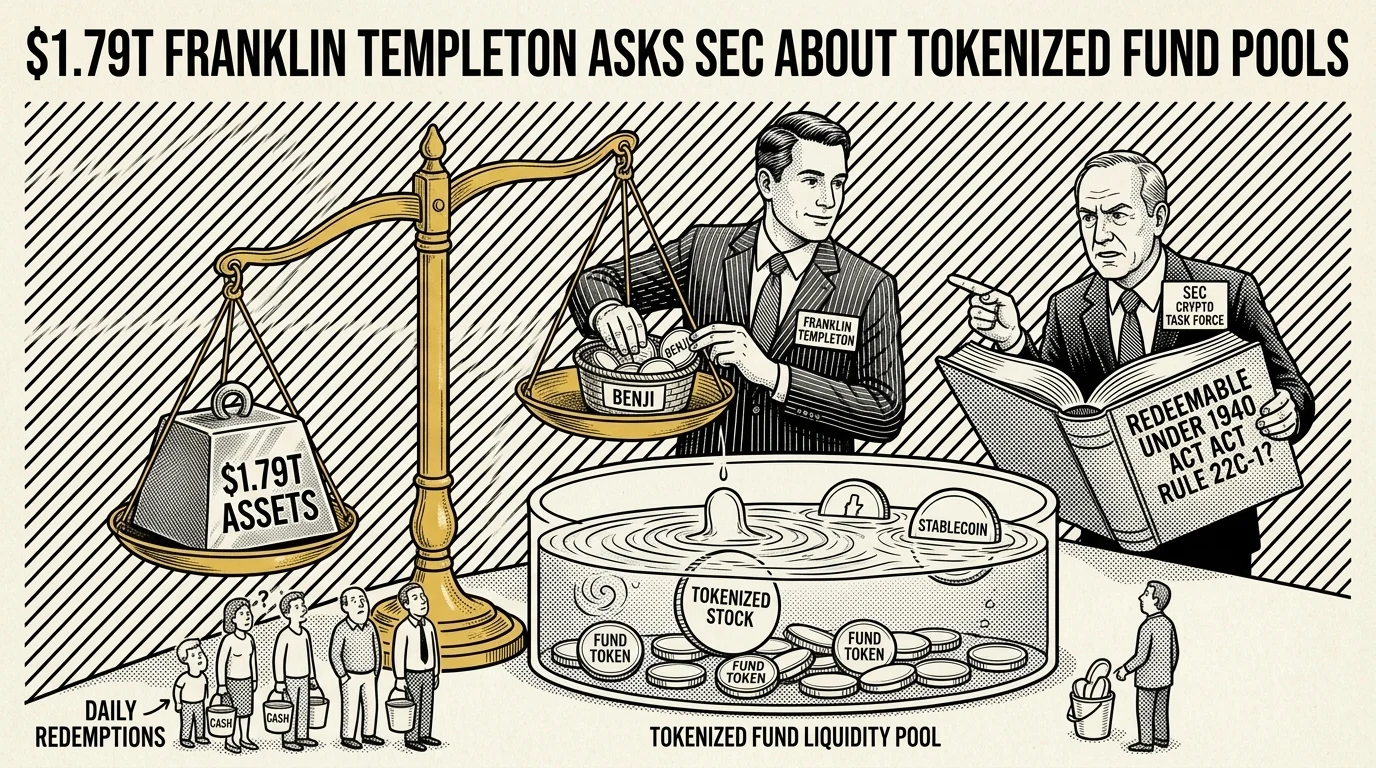
Franklin Templeton, the $1.79 trillion asset manager behind the BENJI fund token, took a DeFi question to the SEC on Oct. 9: can tokenized fund shares trade through blockchain liquidity pools? Bitcoin.com News reported the agenda went past pricing: “The agenda also questioned whether liquidity pools themselves need exemptions from investment-company regulation.” For your wallet, that line is the whole story. If regulators treat a pool, or your LP position in it, as a fund or a security, open pools for tokenized funds get much harder to build.
Franklin Templeton’s SEC Agenda Puts Fund Tokens In Liquidity Pools
Franklin Templeton met staff from the SEC Crypto Task Force on Oct. 9.
The firm reported preliminary assets under management of $1.79 trillion as of Sept. 30.
Its proposed agenda covered its digital assets business and the agency’s innovation exemption.
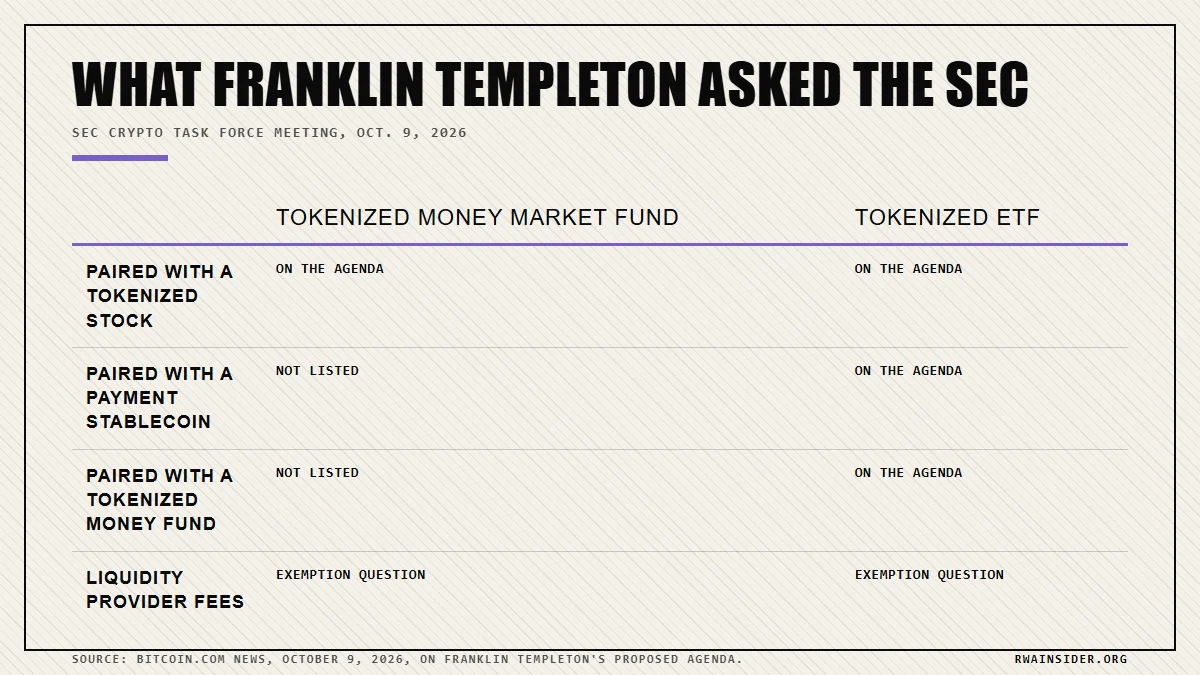
For money market funds, the question was simple. Could investors swap blockchain-based fund shares for tokenized stocks through a trading pair on a blockchain venue?
For tokenized ETFs, the agenda listed three possible pair partners: another tokenized stock, a permitted payment stablecoin, or a tokenized money market fund.
It also asked whether the providers supplying assets for those trades could charge service fees. In DeFi terms, that is a liquidity provider earning on a pool.
Nothing here is live. This is a staff meeting agenda, not an approval or a product launch.
Rule 22c-1 And The 1940 Act Stand Between Pools And Fund Tokens
The snag is pricing. Redeemable fund shares do not trade at whatever price a pool curve sets.
Section 22(d) of the Investment Company Act of 1940 generally requires sales at the price stated in the fund’s prospectus.
Rule 22c-1 generally requires trades at the next share value calculated after an order arrives. That value is the fund’s assets minus liabilities, divided by its shares.
Add a liquidity provider fee and both rules come into question. The agenda asks whether exemptions are needed for the trading pairs and the provider fees.
Then comes the bigger question: whether the pools themselves need relief from investment-company rules, since a pool holds assets for its depositors.
It also asked whether the LP interests depositors receive need exemptions from treatment as securities, under the Securities Act of 1933 and the Securities Exchange Act of 1934.
Strip away the legal citations and this is really about whether your LP token in a fund-token pool is a DeFi position or a regulated security.
There is no yield comparison to run here. The source gives no rate for the funds or the pools.
While the rules take shape, track which tokenized assets your wallet can already trade.
The SEC Innovation Exemption Still Gates Pool Access
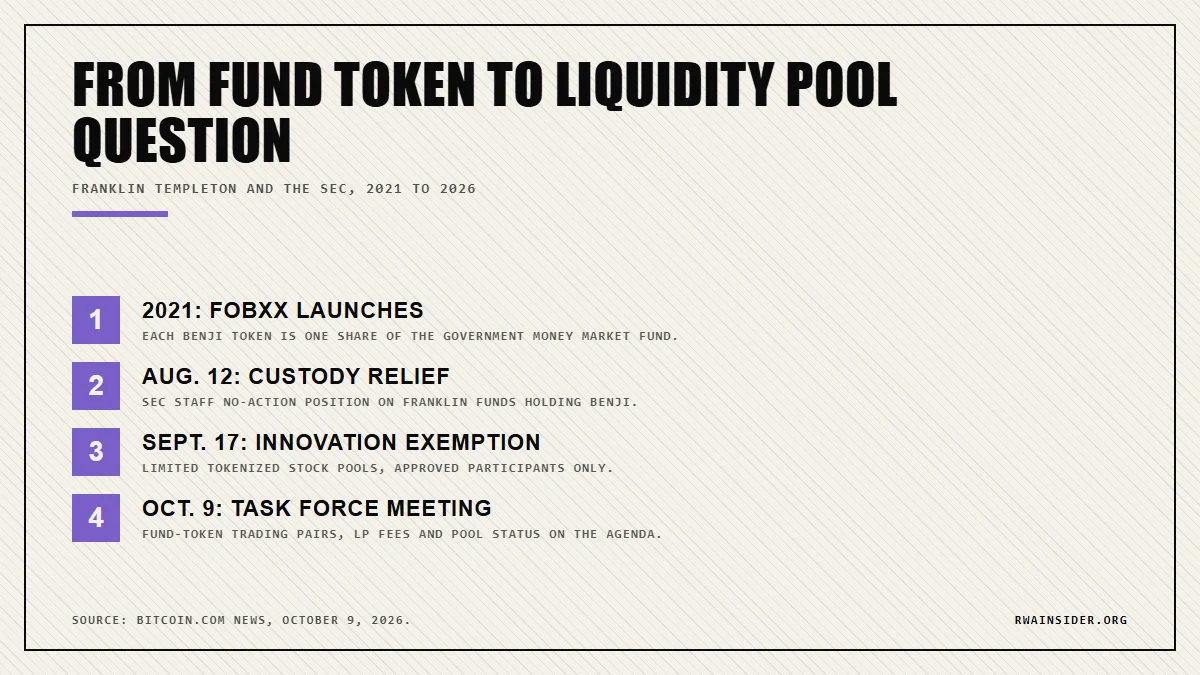
Today’s ceiling is the SEC’s innovation exemption, issued Sept. 17. It temporarily exempts qualifying blockchain venues and liquidity providers from certain exchange and dealer rules.
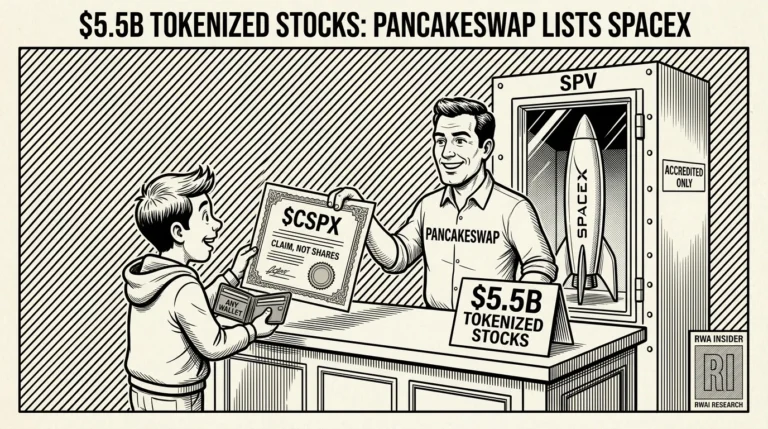
It permits limited tokenized stock trading through pools, but only pools open to approved participants.
Conditions include trading-volume limits, equivalent shareholder rights, auditable public smart contracts, and halts that match the stock’s primary exchange.
Those caps already pinch.
Robinhood crypto chief Johann Kerbrat said existing trading activity could run into the exemption’s limits on eligible symbols and volume, as our report on OKX and ICE taking 63 tokenized stocks to Uniswap pools covered.
Franklin Templeton’s token work so far is institutional. Each BENJI token is one share of its government money market fund, and its on-chain fund FOBXX dates to 2021.
An Aug. 12 SEC staff no-action position covered custody for Franklin funds that hold BENJI. Its MoonPay link, announced June 2, serves eligible institutions.
A May 12 deal with Kraken parent Payward points to broader access through Kraken, where regulations permit.
Watch for any SEC relief that names fund-token pairs, and for any sign that approved-participant pools open to self-custody wallets.
Franklin Templeton has put the pool questions on the SEC’s table. If the answers cover pools and LP interests, fund tokens get a real on-chain market; until then, it is a waiting game for a $1,000 wallet.
Watching tokenized fund access? Follow the Protocol Battles desk for the SEC’s next move on pools.
Frequently Asked Questions
Can I trade Franklin Templeton’s BENJI token in a DeFi liquidity pool?
Not based on what has been reported. Franklin Templeton only raised the question with SEC staff on Oct. 9, and the SEC’s Sept. 17 innovation exemption limits tokenized stock pools to approved participants.
What is the SEC innovation exemption for tokenized stocks?
Issued Sept. 17, it temporarily exempts qualifying blockchain venues and liquidity providers from certain exchange and dealer requirements. Conditions include trading-volume limits, equivalent shareholder rights, auditable public smart contracts and trading halts tied to the stock’s primary exchange.
Why do fund pricing rules get in the way of trading fund tokens on-chain?
Section 22(d) of the 1940 Act generally requires sales at the prospectus price, and Rule 22c-1 generally requires trades at the next calculated share value. A pool price plus a liquidity provider fee may not fit either rule without an exemption.
Are LP tokens in a tokenized fund pool securities?
That is still open. Franklin Templeton’s agenda asked whether liquidity-provider interests need exemptions from treatment as securities under the 1933 and 1934 Acts, and whether the pools need relief from investment-company rules.